
South America
NutrexiaNorth StarKnowledge Hub
Your crop questions, answered.
Search reviewed agricultural knowledge by question, crop or country.
Browse by pillar
Choose your learning path
Start with a knowledge pillar, then narrow the Knowledge Articles by crop, country or practical question.
03 · Agronomic questions
Follow a real problem
Questions are taken directly from reviewed Knowledge Articles and lead to practical answers.
Plant Nutrition FundamentalsGlobalHow do I interpret a soil test for fertilizer planning?→Plant Nutrition FundamentalsGlobalWhich soil-test values should be reviewed before nutrient results?→Plant Nutrition FundamentalsGlobalHow do pH, EC and CEC affect fertilizer decisions?→Plant Nutrition FundamentalsGlobalHow can soil and leaf analysis be used together?→TomatoGlobalWhat causes blossom-end rot in tomatoes?→TomatoGlobalHow can I prevent blossom-end rot?→
Recently verified
Practical Knowledge Articles from Nutrexia R&D
17 Knowledge Articles found
Plant Nutrition Fundamentals
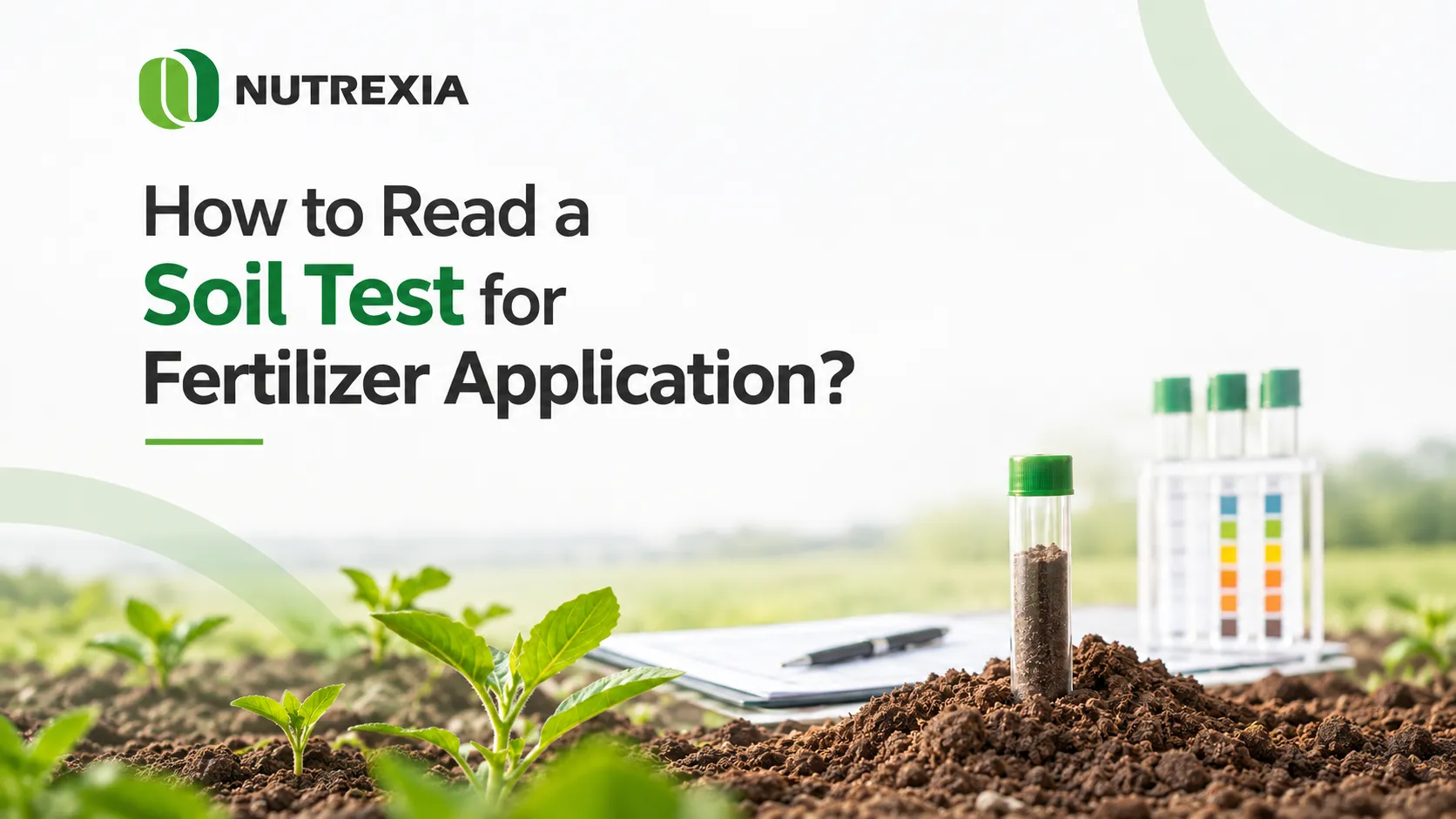
Soil Test Interpretation for Fertilizer Planning
A useful soil-test interpretation connects sampling depth, pH, salinity, texture, CEC, organic carbon and nutrient results with crop demand before fertilizer sources, rates and timing are selected.
8 min readExplore →
Nutrient Deficiency & Crop Problems
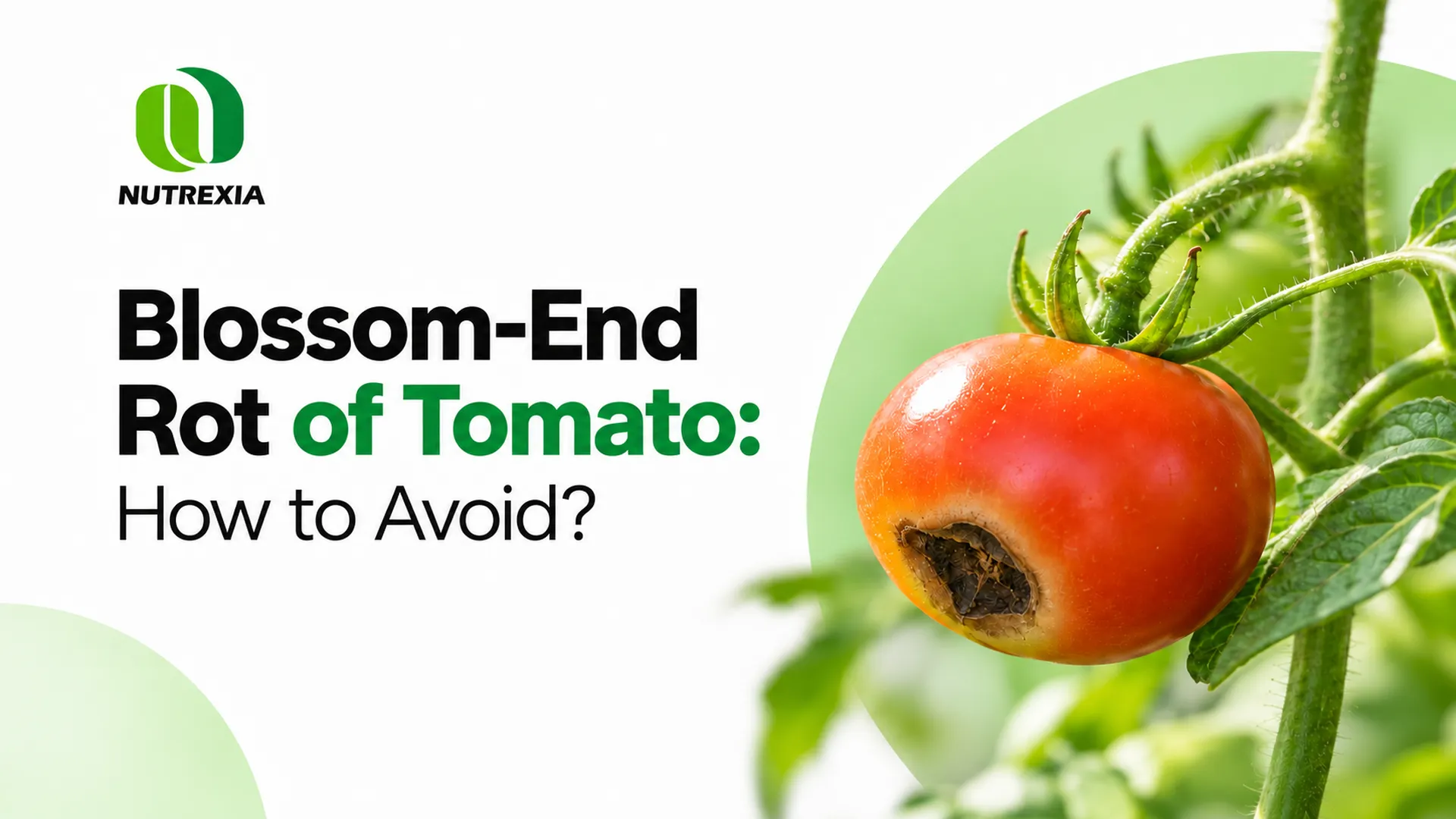
Blossom-End Rot of Tomato: How to Avoid?
Blossom-end rot is a calcium-delivery disorder, not a contagious disease. Protect new tomato fruit with even irrigation, healthy roots, controlled EC and balanced nutrition before reaching for more calcium.
8 min readExplore →
Plant Nutrition Fundamentals
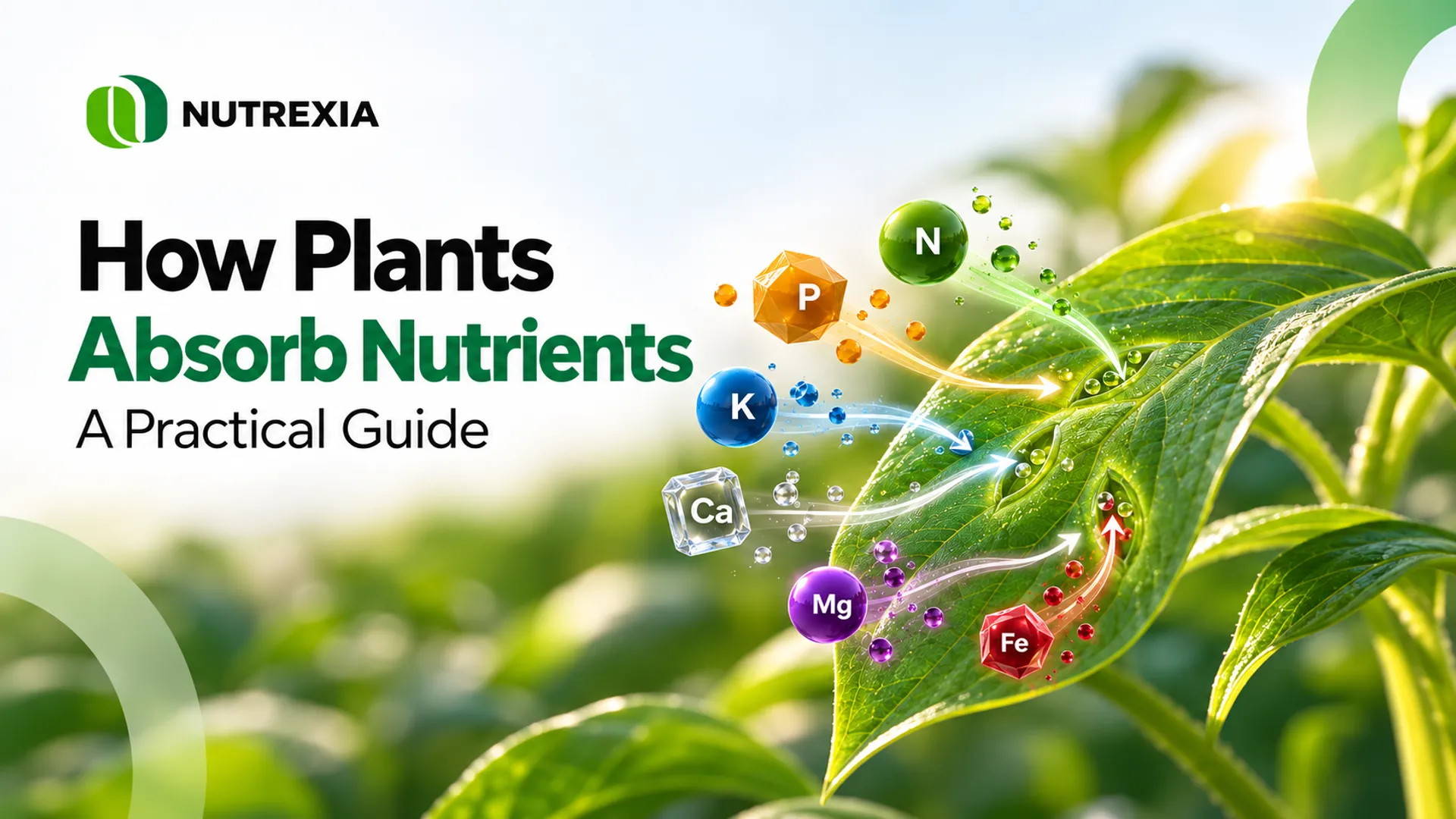
How Plants Absorb Nutrients: A Practical Guide
Plants absorb most mineral nutrients through fine roots in the soil solution. Foliar feeding can provide targeted support, but it works best alongside healthy roots, sound irrigation and suitable root-zone conditions.
6 min readExplore →
Protected Cultivation & Fertigation
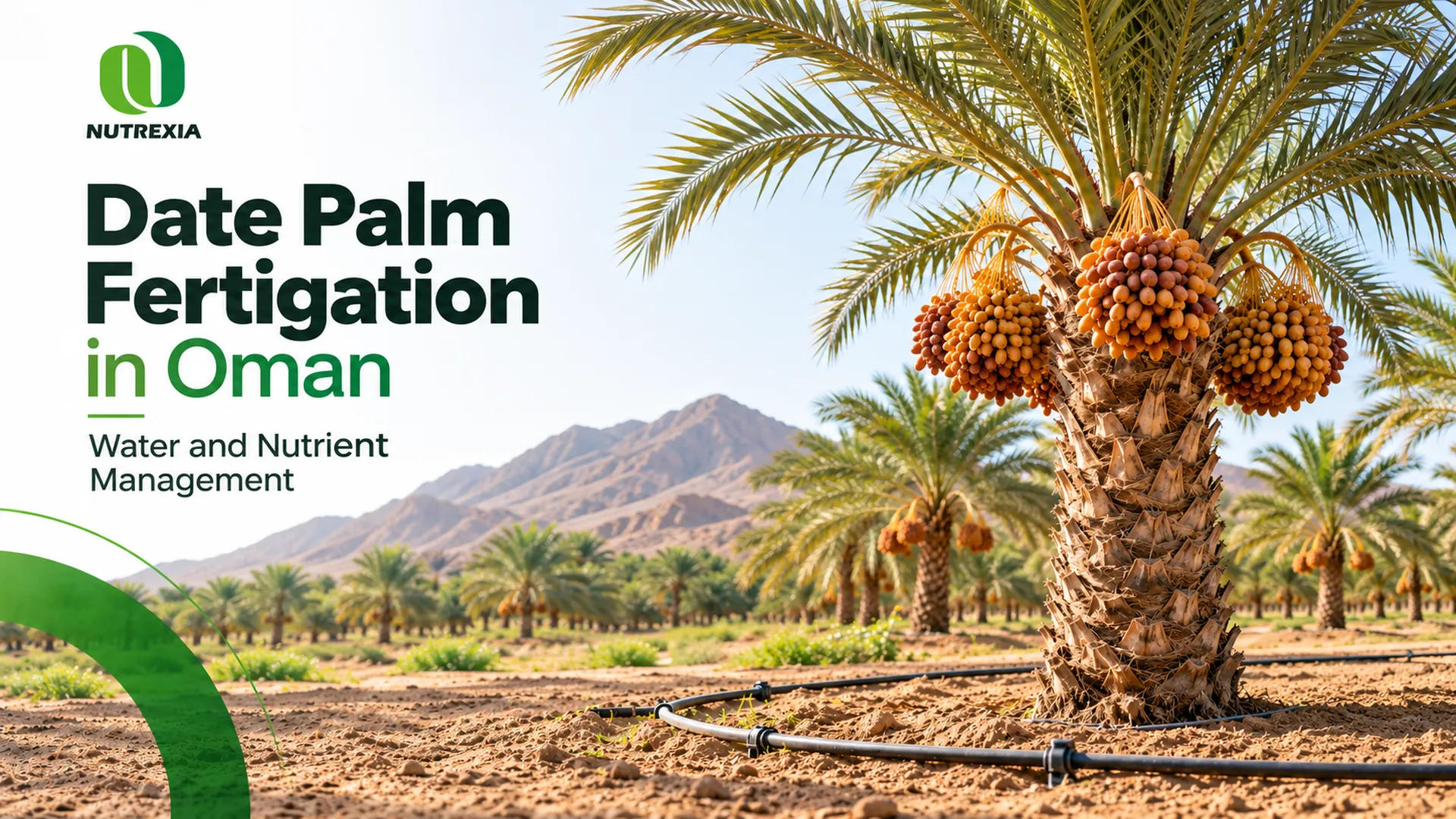
Date Palm Fertigation in Oman: Water and Nutrient Management
Date palm fertigation in Oman should connect water analysis, seasonal irrigation demand, root-zone salinity, drainage, compatible fertilizer doses and measured palm response.
10 min readExplore →
Fertilizer & Application Tutorials
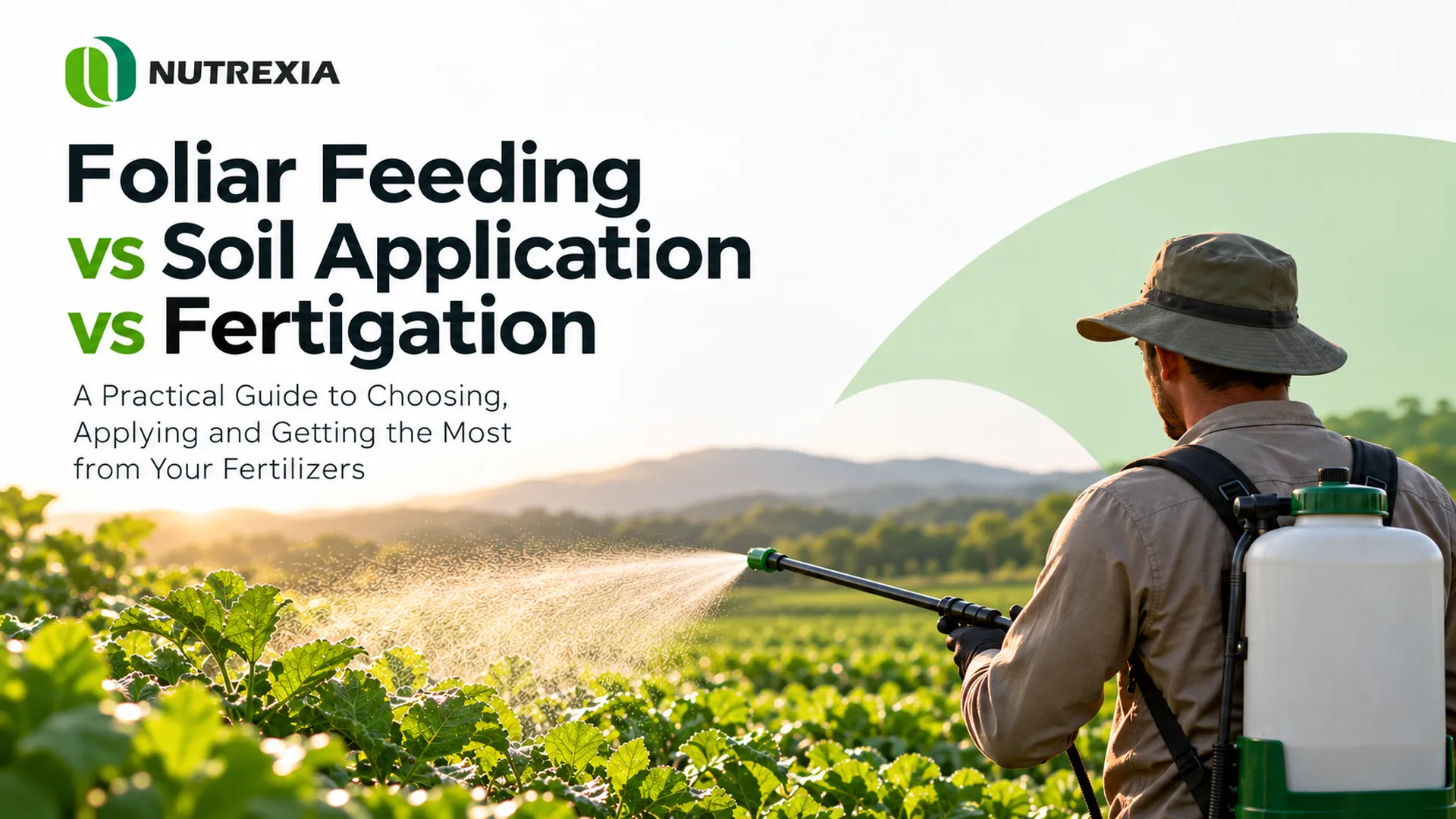
Foliar Feeding vs Soil Application vs Fertigation
Soil application builds the nutrient base, fertigation follows regular crop demand, and foliar feeding provides fast, targeted support. The best program uses each route for the problem it solves best.
16 min readExplore →
Regional Agronomy
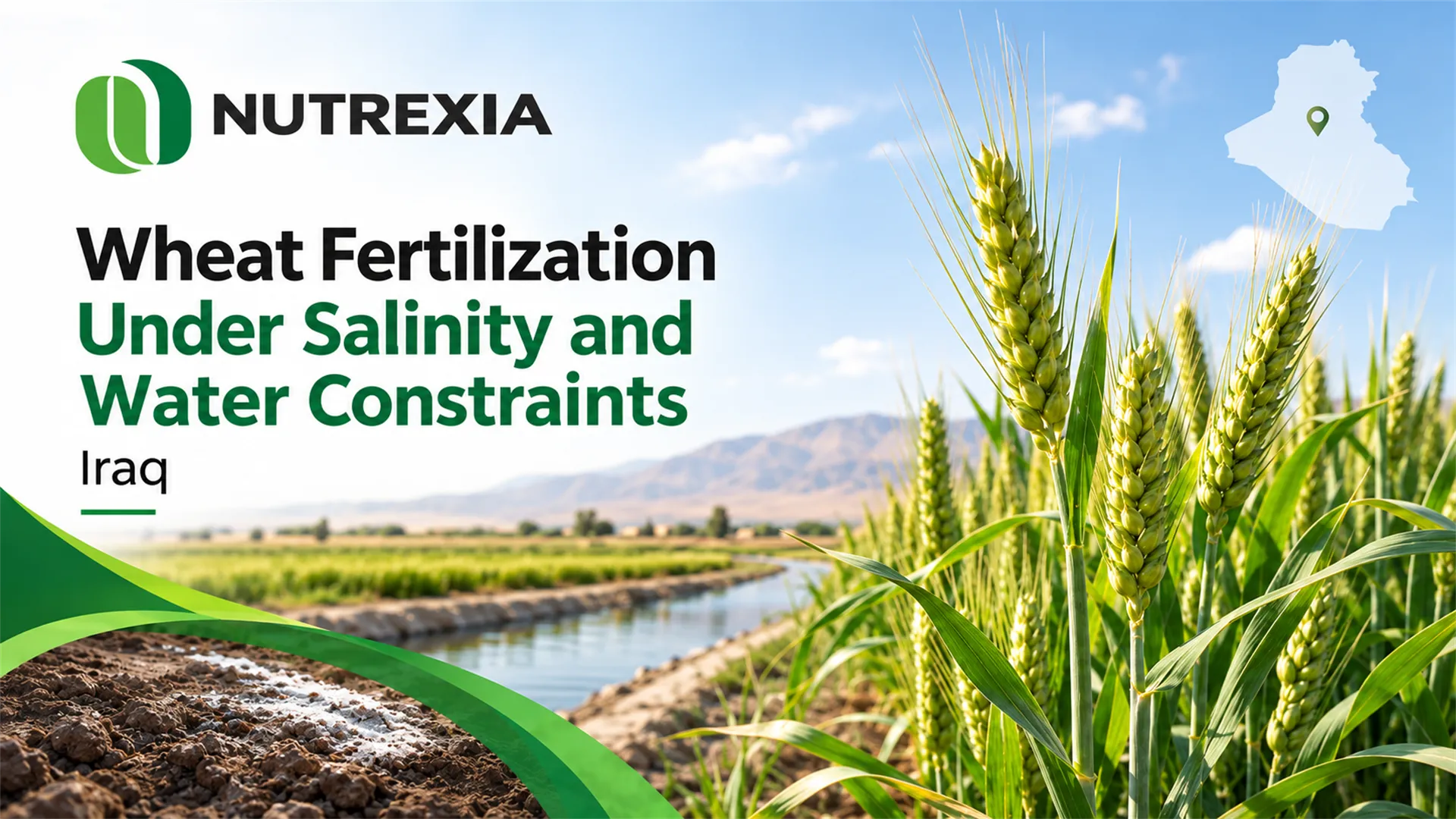
Wheat Fertilization Under Salinity and Water Constraints in Iraq
Wheat fertilization in salt-affected Iraqi fields should connect soil and water testing, realistic yield targets, balanced nutrients, organic matter, irrigation and drainage instead of relying on one standard formula.
12 min readExplore →
Plant Nutrition Fundamentals
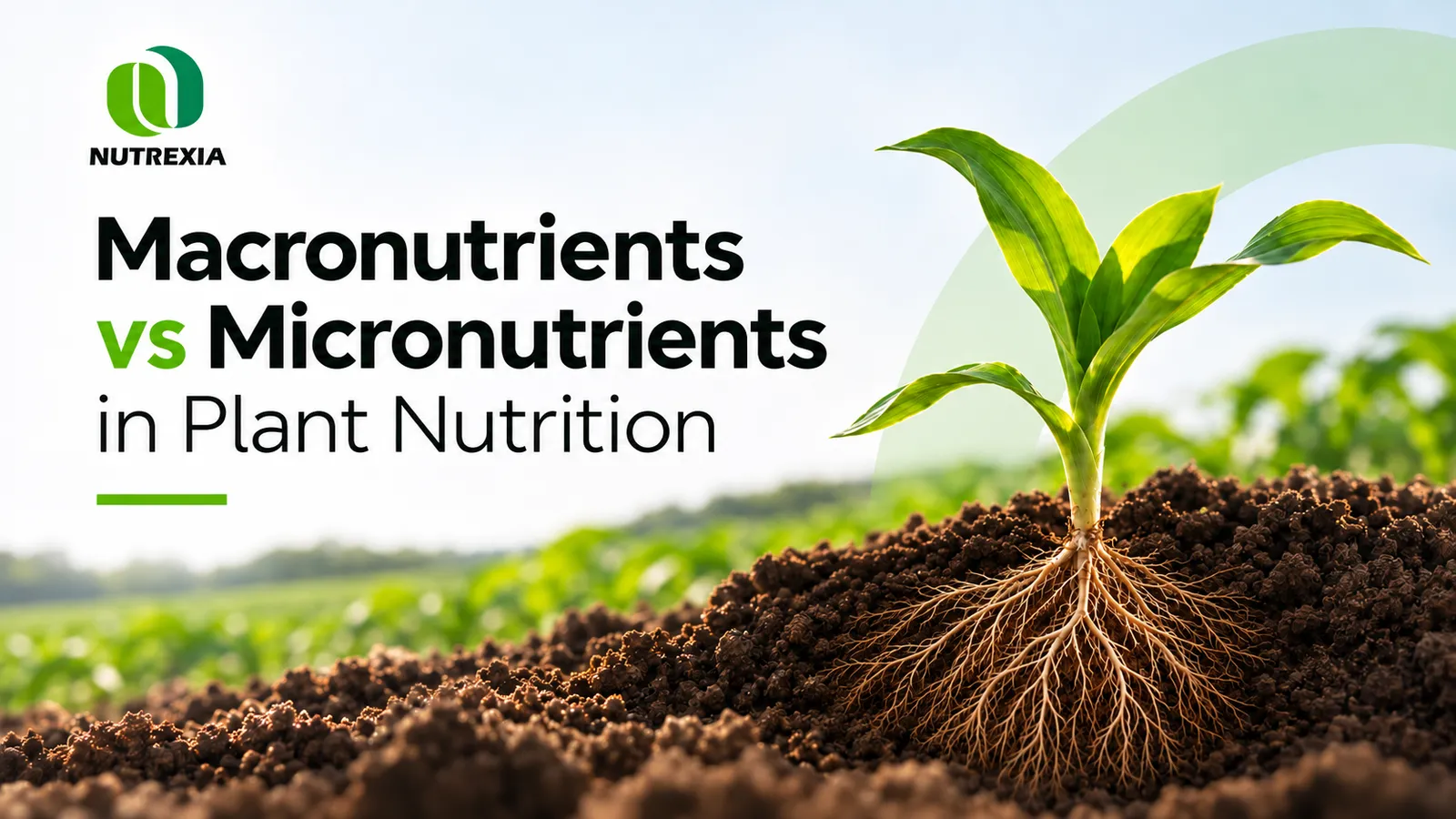
Macronutrients vs Micronutrients in Plant Nutrition
Macronutrients are required in larger amounts, while micronutrients are needed in much smaller quantities. Both are essential, and effective management depends on crop demand, nutrient availability, growth stage and diagnosis.
10 min readExplore →
Plant Nutrition Fundamentals
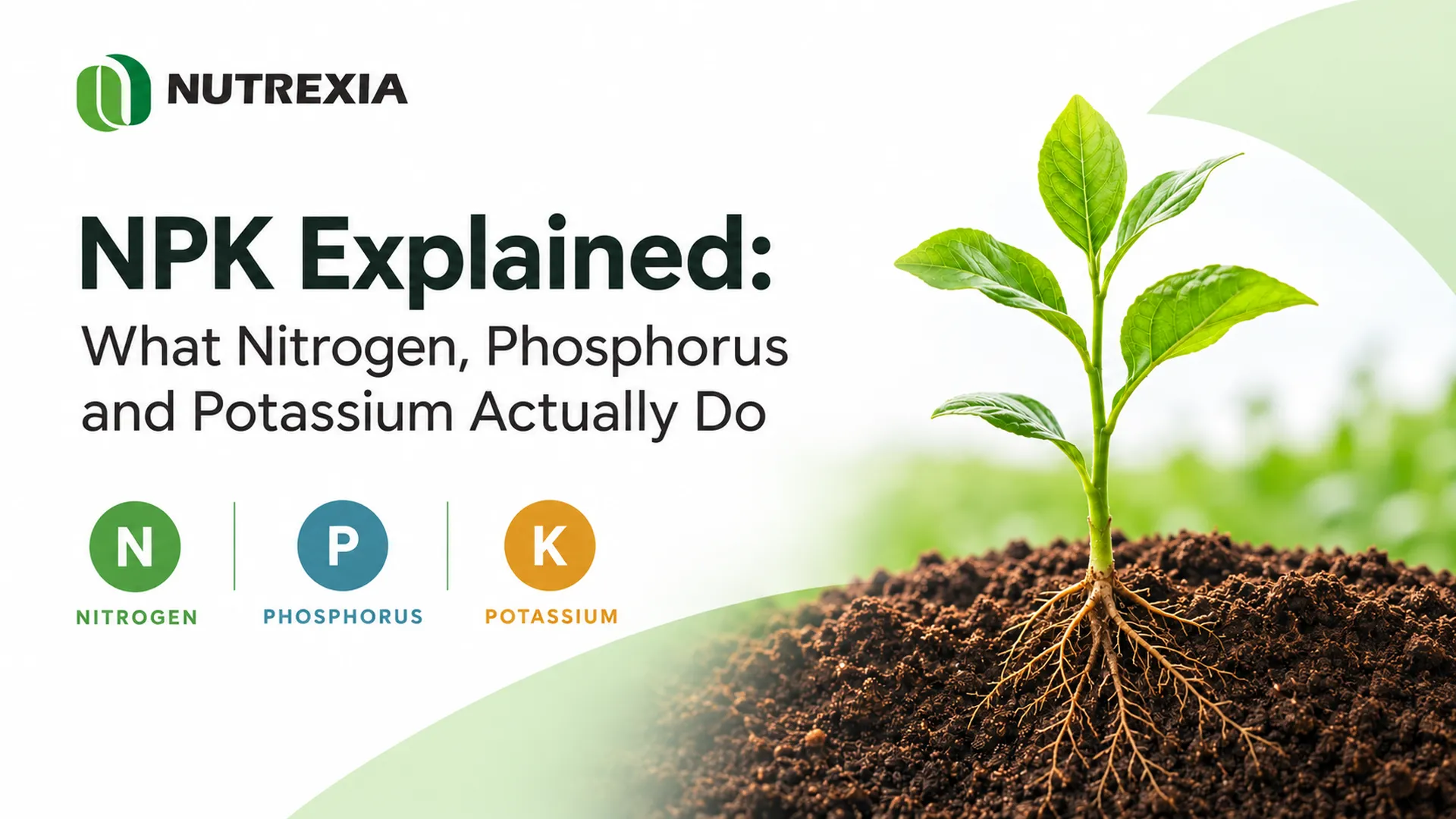
NPK Explained: What Nitrogen, Phosphorus and Potassium Actually Do
Nitrogen builds the photosynthetic canopy, phosphorus supports energy transfer and new growth, and potassium regulates water balance, enzymes and crop quality.
10 min readExplore →
Nutrient Deficiency & Crop Problems
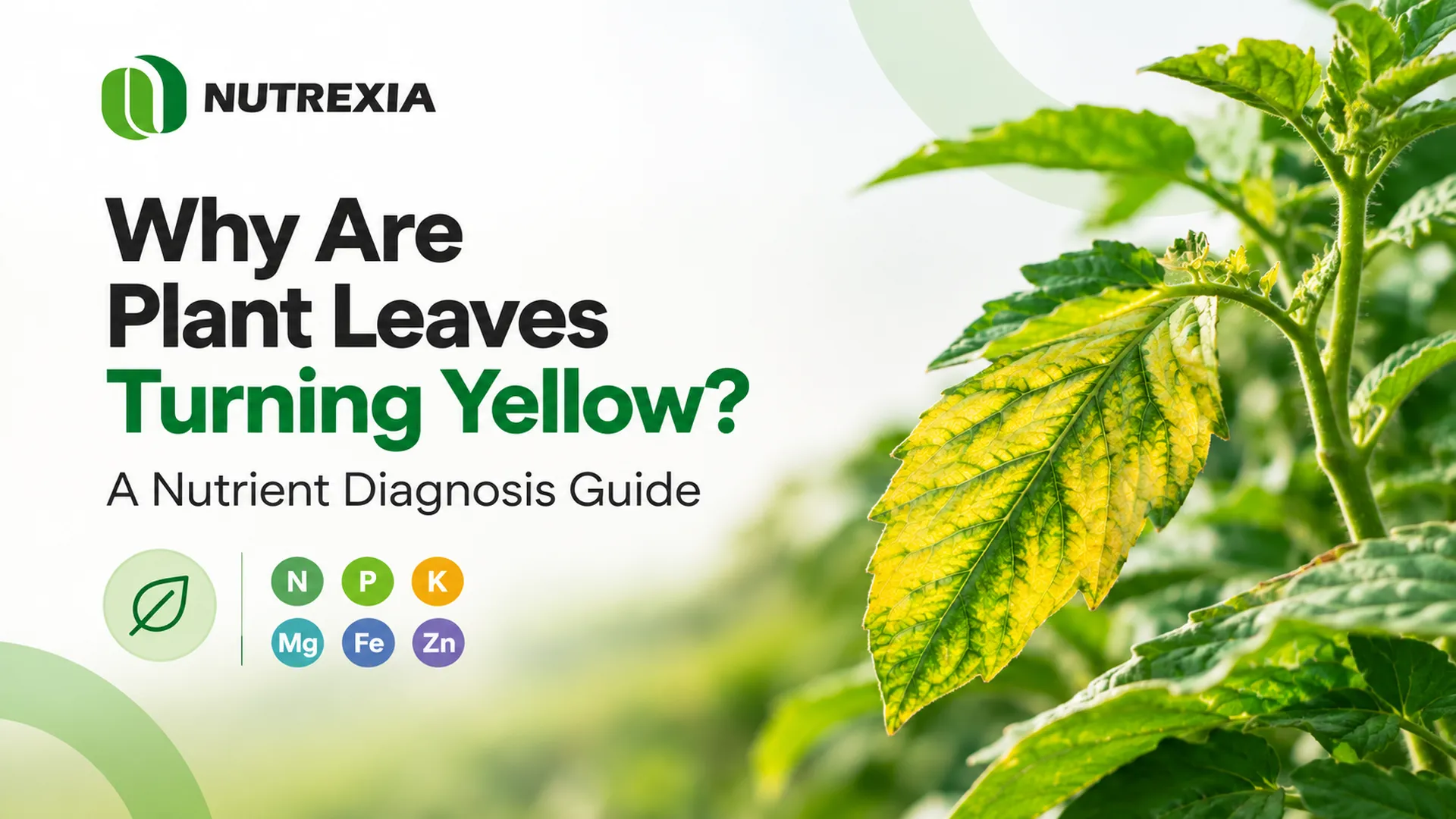
Why Are Plant Leaves Turning Yellow? A Nutrient Diagnosis Guide
Yellow leaves are a warning sign, not a diagnosis. Use leaf age, the pattern of chlorosis, field distribution, root-zone conditions and soil or tissue testing to distinguish nutrient deficiency from pH, water, salinity and root problems.
11 min readExplore →
Plant Nutrition Fundamentals
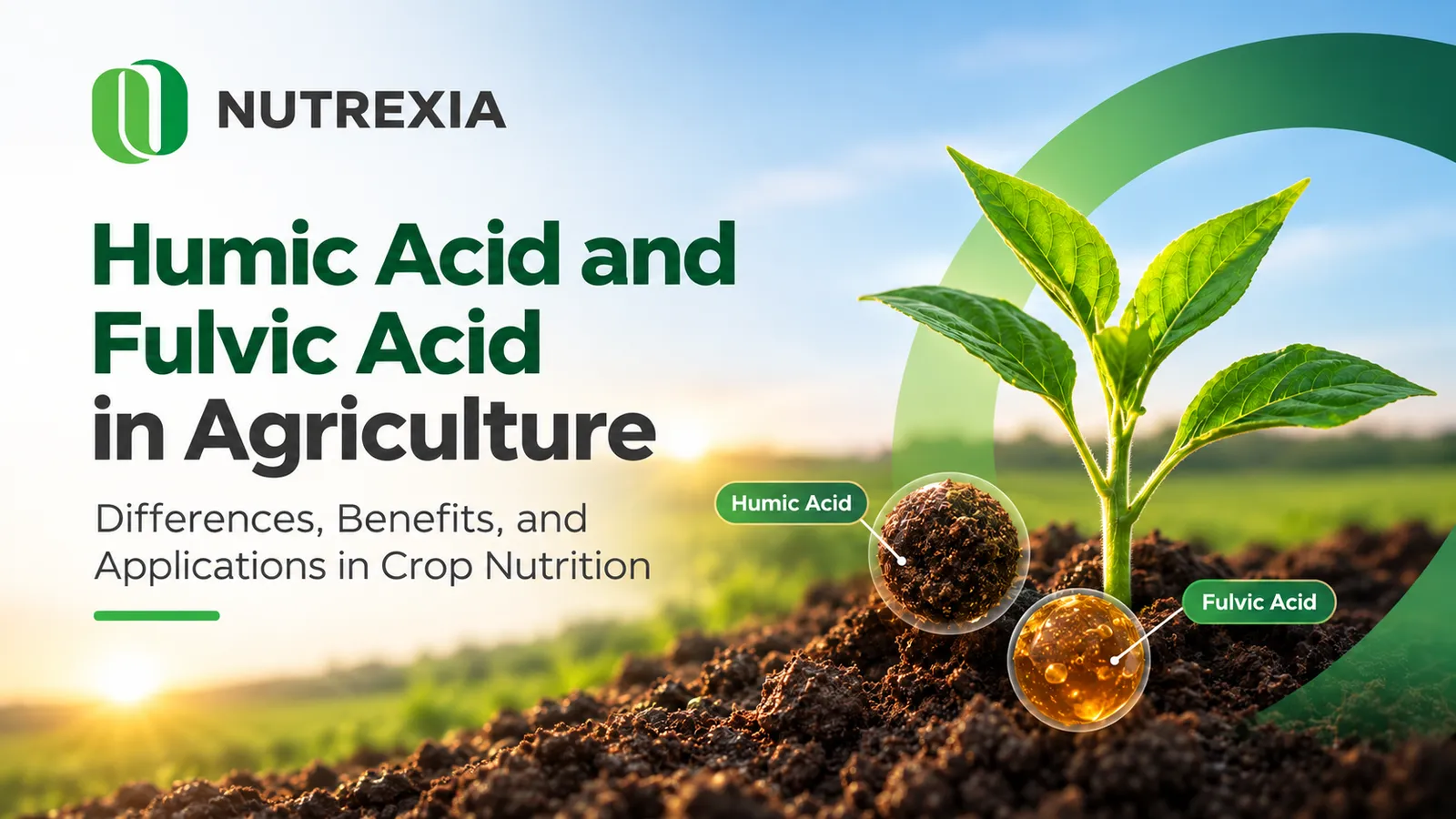
Humic Acid and Fulvic Acid in Agriculture: Differences, Benefits, and Applications in Crop Nutrition
Humic acid is generally associated with soil and root-zone support, while the more soluble fulvic fraction is often used in nutrient-delivery strategies. The right choice depends on the formulation, crop, soil, water, and application method.
8 min readExplore →
Protected Cultivation & Fertigation
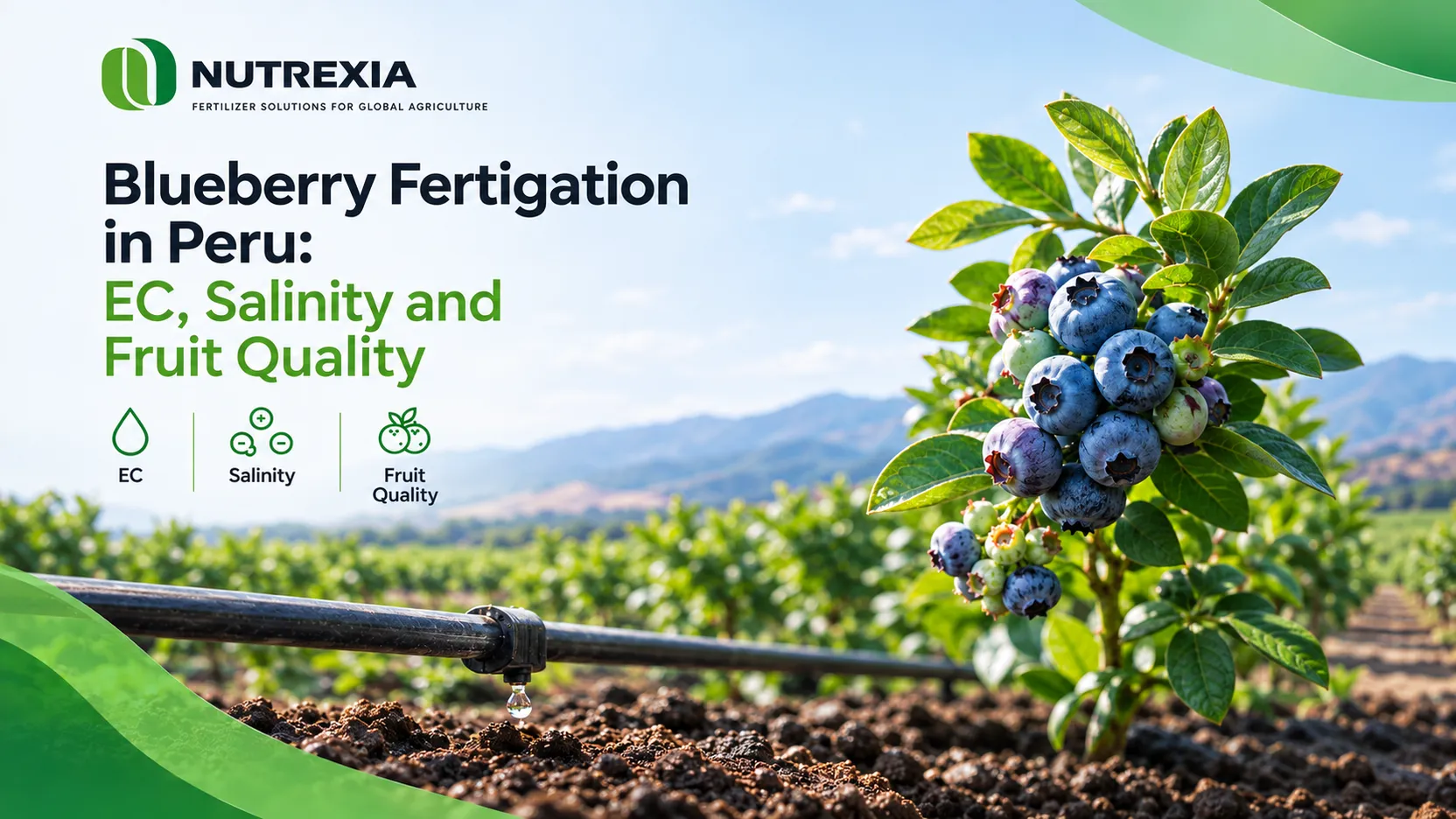
Blueberry Fertigation in Peru: EC, Salinity and Fruit Quality
Blueberry fertigation in Peru should balance water quality, nutrient concentration, root-zone EC, drainage and crop response so shallow roots receive enough nutrition without damaging salt accumulation.
9 min readExplore →
Nutrient Deficiency & Crop Problems
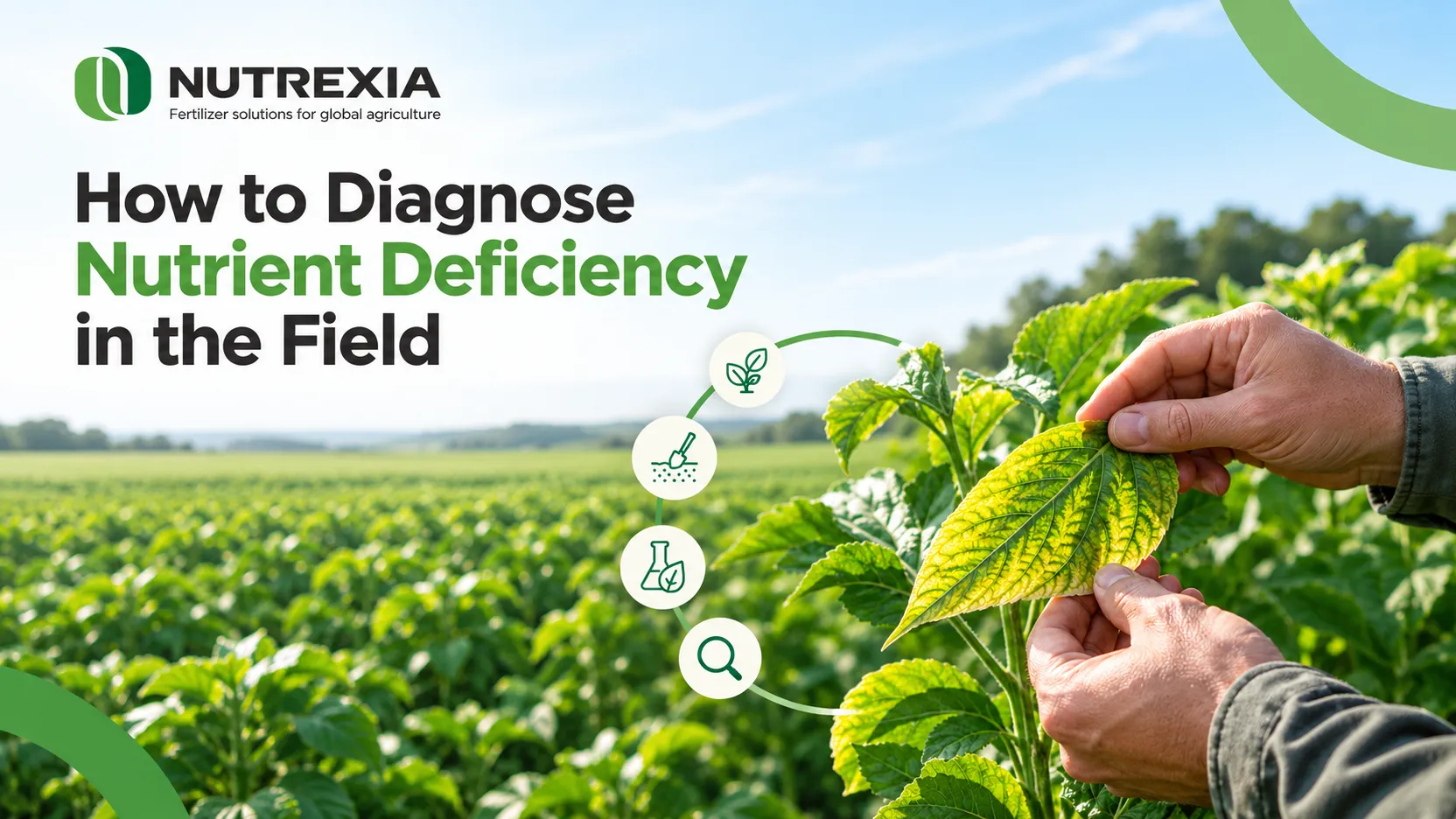
How to Diagnose Nutrient Deficiency in the Field
Diagnose suspected nutrient deficiency by mapping the field pattern, recording symptom type and leaf age, checking roots and soil conditions, and confirming the likely cause with representative soil and plant tissue analysis before applying a correction.
11 min readExplore →
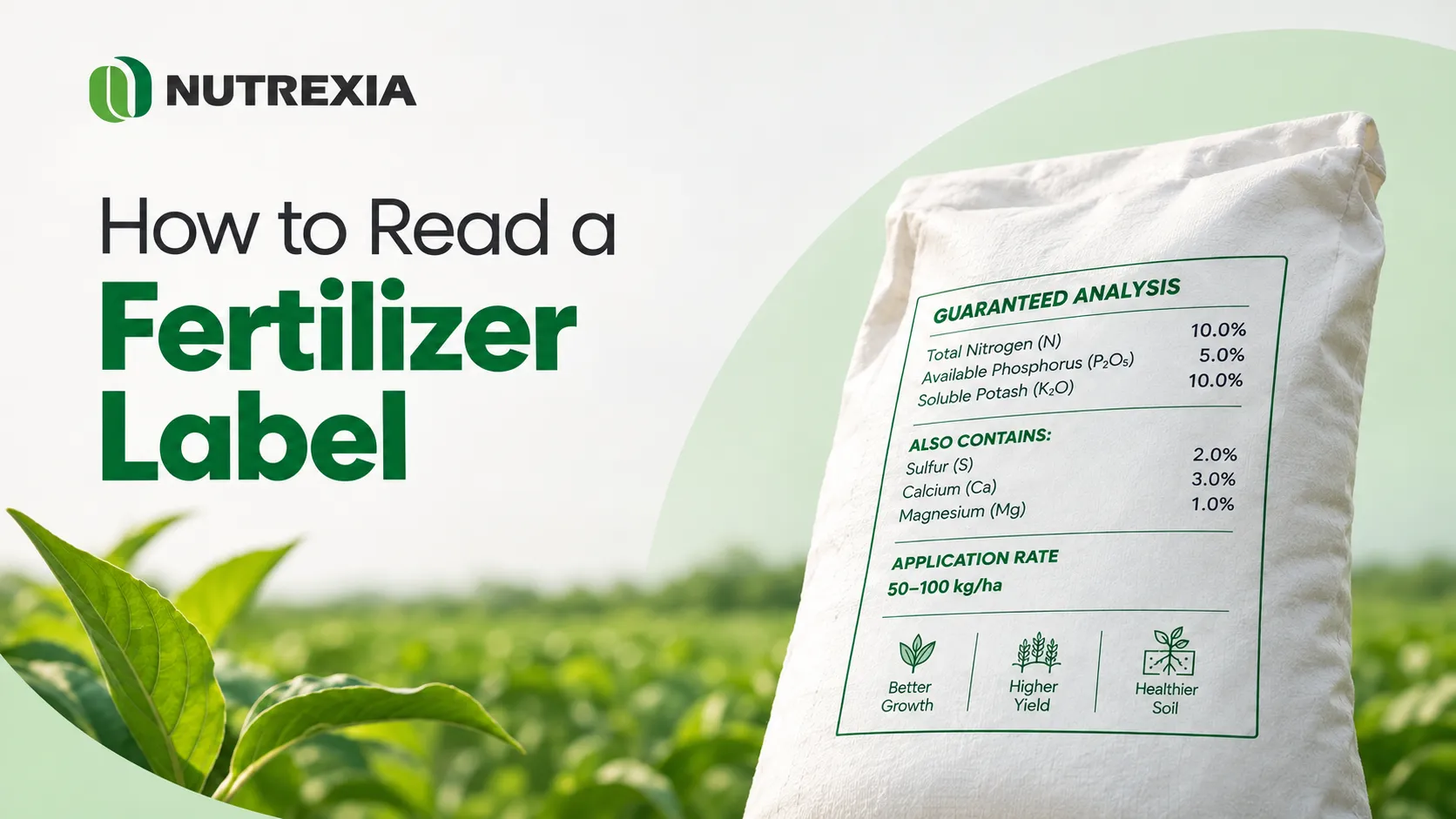
Plant Nutrition Fundamentals
How to Read a Fertilizer Label
Read the guaranteed analysis, percentage basis, density, application rate, and directions together to understand what a fertilizer supplies and how much product to apply.
9 min readExplore →
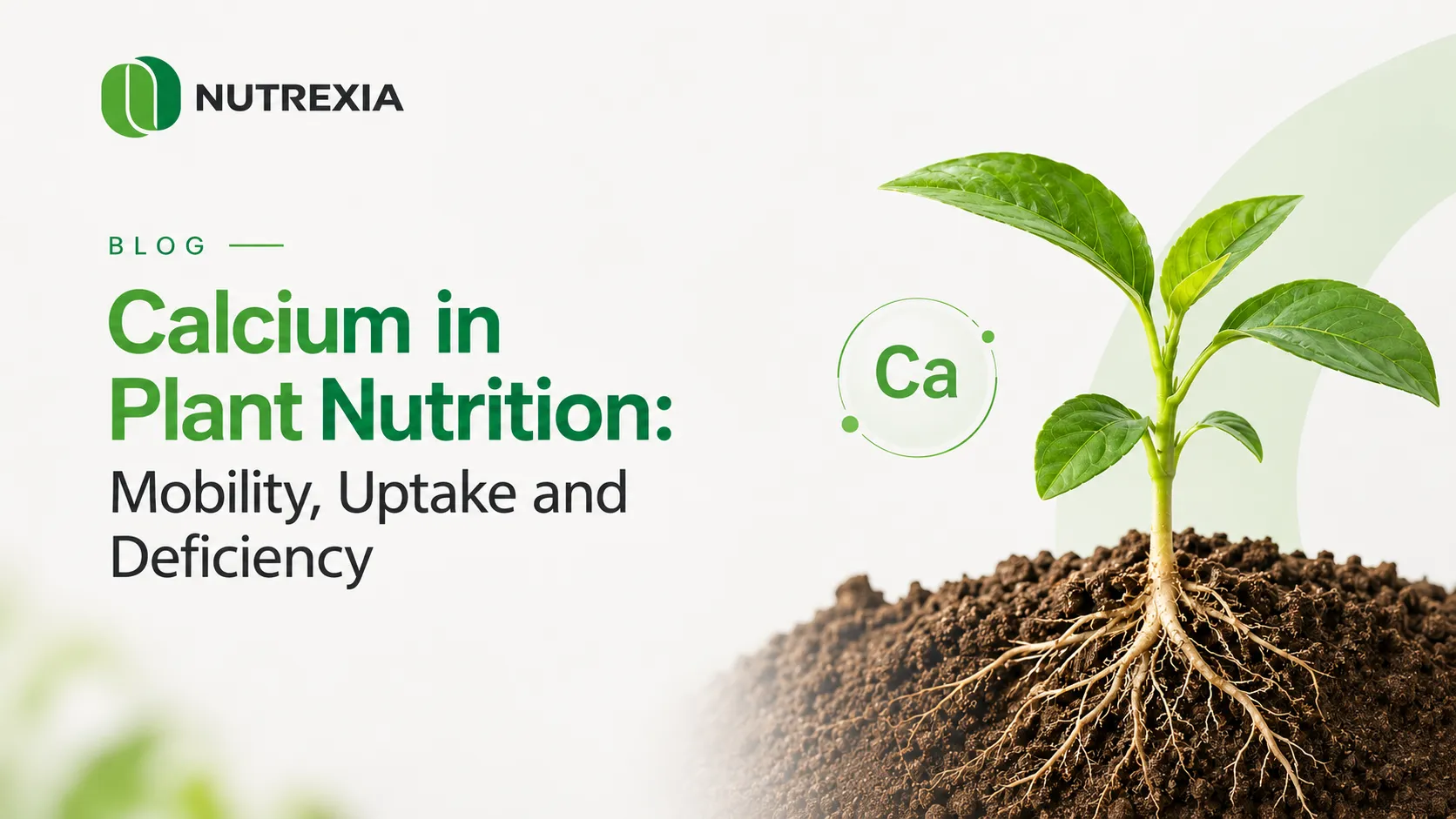
Plant Nutrition Fundamentals
Calcium in Plant Nutrition: Mobility, Uptake and Deficiency
Calcium can be present in the root zone yet fail to reach young leaves, growing points or developing fruit because it moves mainly with water in the xylem and is poorly redistributed through the phloem. Healthy roots, uniform irrigation, transpiration and balanced root-zone conditions are therefore central to calcium delivery.
13 min readExplore →
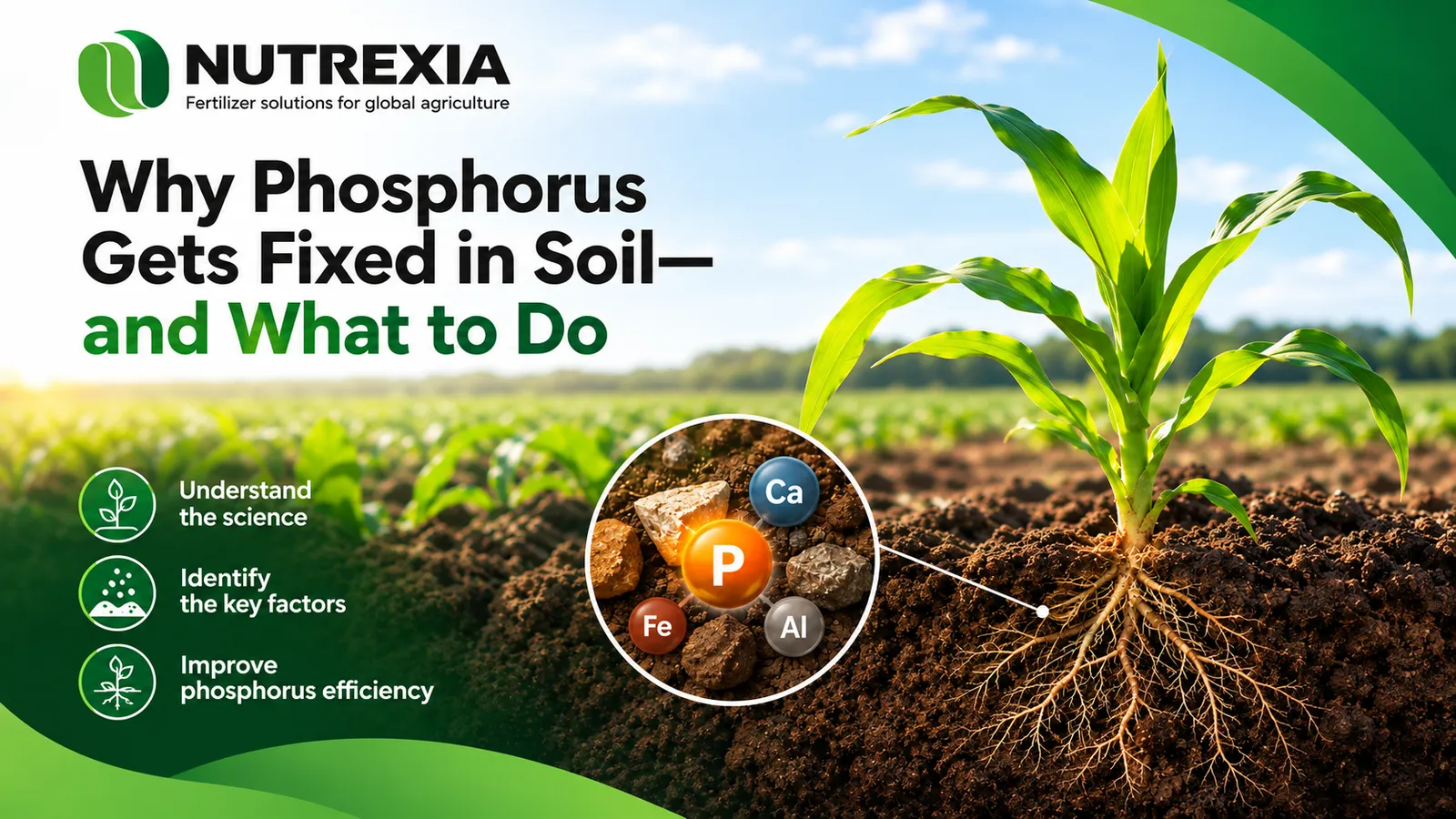
Plant Nutrition Fundamentals
Why Phosphorus Gets Fixed in Soil—and What to Do
Phosphorus can be present in soil yet remain difficult for roots to access because it reacts with iron and aluminum in acidic soils, calcium in high-pH soils, and mineral surfaces. Soil testing, pH management, targeted placement, and strong root growth can improve phosphorus-use efficiency.
8 min readExplore →
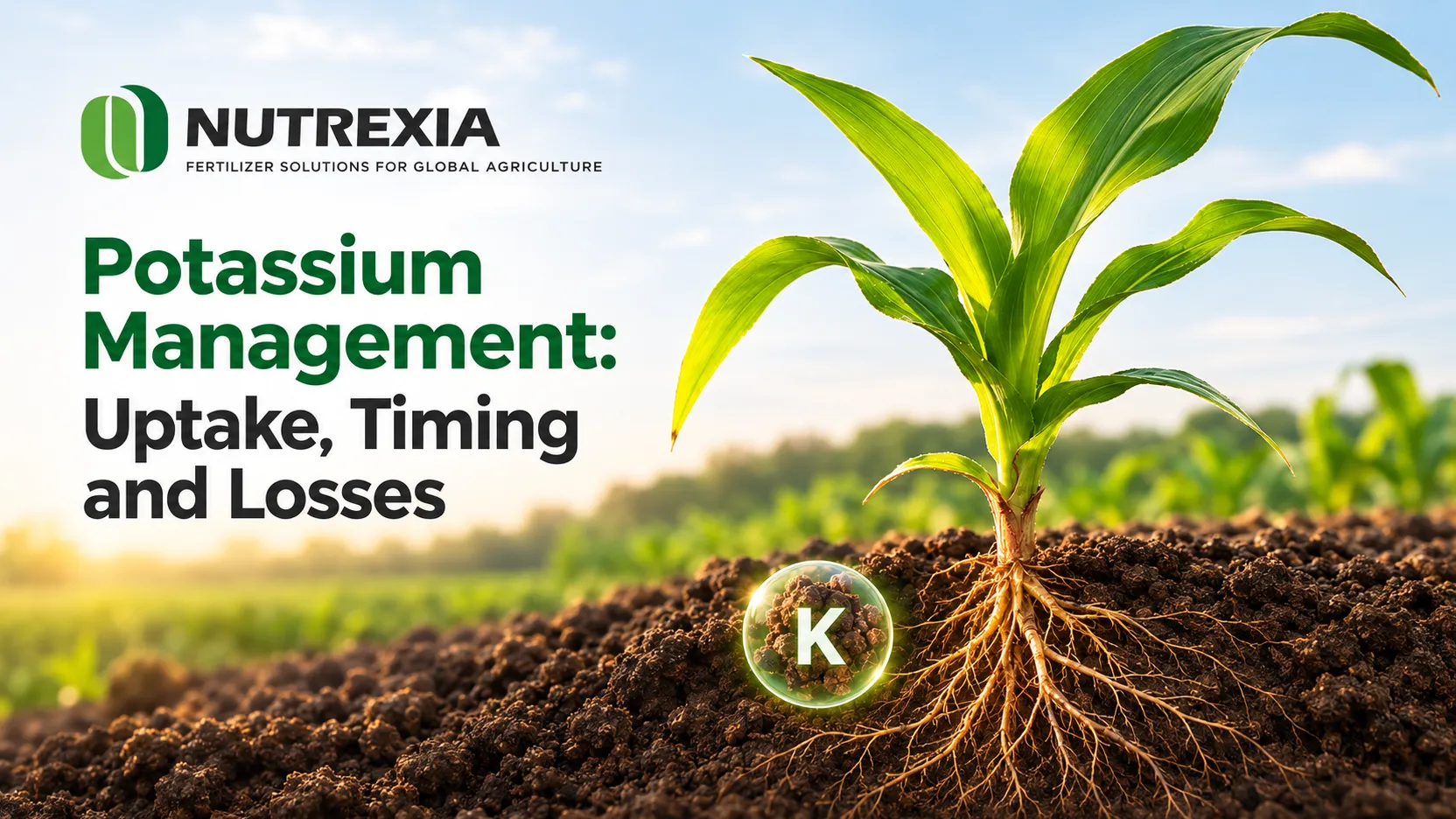
Plant Nutrition Fundamentals
Potassium Management: Uptake, Timing and Losses
Effective potassium management keeps potassium accessible to active roots when crop demand is high. Soil supply, root activity, moisture, growth stage, placement, and water movement all influence uptake and potential losses.
8 min readExplore →
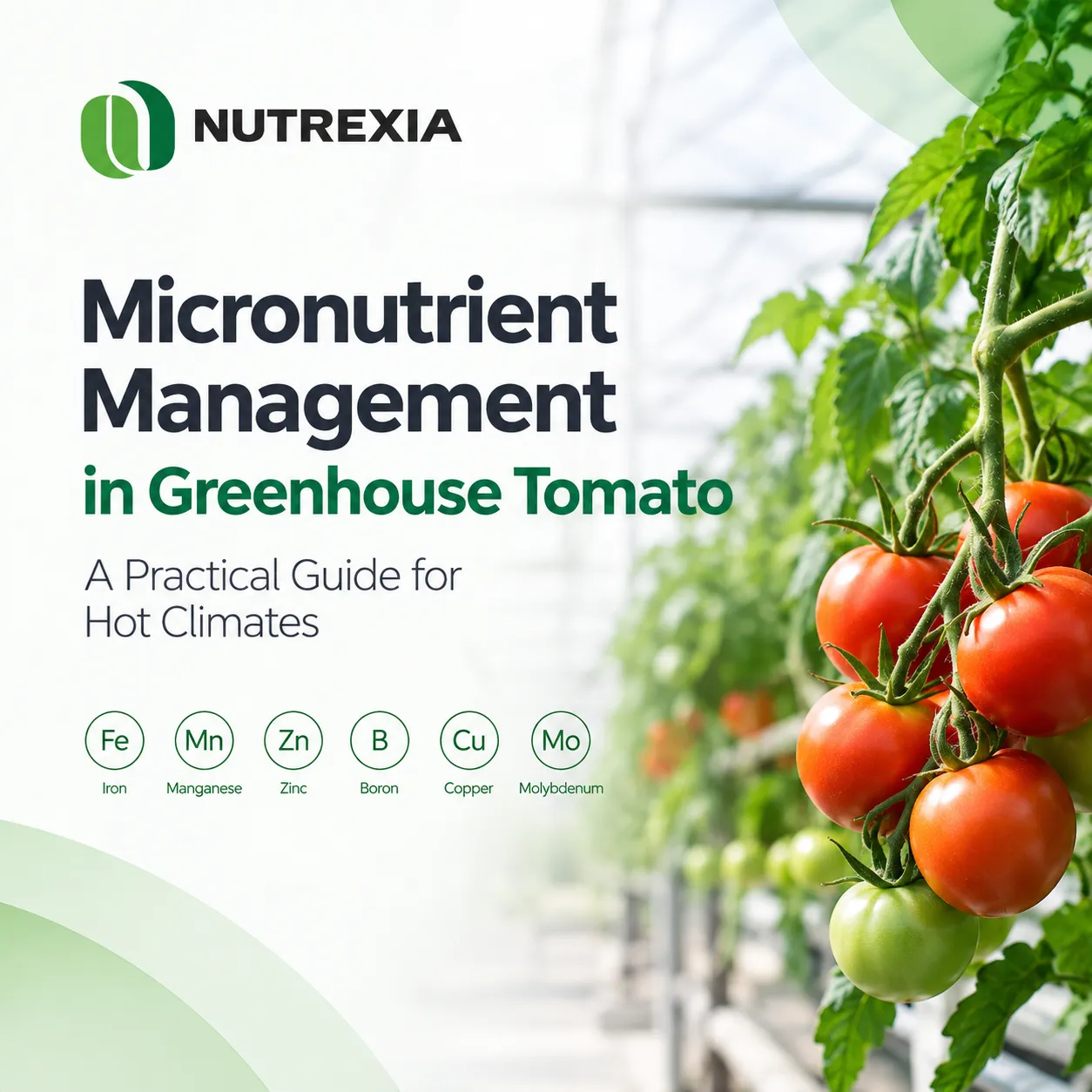
Protected Cultivation & Fertigation
Micronutrient Management in Greenhouse Tomato (Saudi Arabia)
In hot-climate greenhouse tomato production, effective micronutrient management depends on root-zone pH and EC, irrigation-water quality, accurate fertigation, and crop-stage monitoring—not simply on adding more fertilizer.
9 min readExplore →
North Star